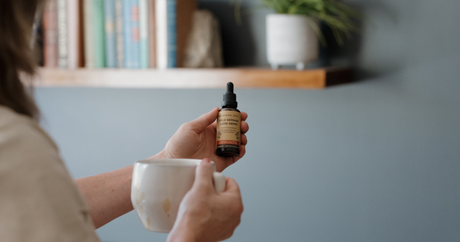
Our world is home to more than 3000 different kinds of parasites, and they’ve been around for as long as humans have. While they tend to thrive in tropical locations, you can pick one up almost anywhere in the world. With many folks looking for different ways to prioritize and enhance their wellness, interest in parasite cleanses has surged in recent years. Learn more about parasites, where they come from, and how different healing systems across time and space have used cleansing methods to get rid of them.
Disclaimer: This blog is for educational purposes only and is not a substitute for medical advice. Please consult your health care practitioner before adding any new herbs to your wellness routine.
What are Parasites?
Think of a parasite like any other infestation: an organism has set up shop in your body and is keen to stick around so long as you’re providing it with that it needs to thrive. It extracts nutrients and energy from your body at your expense, wreaking havoc on your digestive system, which can have a cascading effect across other facets of your wellness.
How Can You Get a Parasitic Infection?
There are several situations that can result in a parasitic infection, and those with compromised immune systems should take extra precautions to avoid exposure. Parasites can come from undercooked or contaminated foods, contaminated water, or from exposure to animals and insects. Be sure to wash your hands thoroughly and regularly, wash your fruits and vegetables, cook your meat properly, and avoid drinking or swimming in contaminated water.
Sometimes, even with the best intentions and safest practices, you may find yourself with a parasitic infection. They’re fairly common, affecting about 25% of the global population, according to the World Health Organization.
What are the Symptoms of a Parasitic Infection?
Gastrointestinal issues, such as abdominal pain, bloating, diarrhea, and constant hunger are common signs of a parasitic infection. Other symptoms to look for include joint and muscle aches, fever, eye floaters, or unexplained weight loss, fatigue, rashes, hives, or eczema.
The History of Parasite Cleanses
Medieval Medicine
In medieval Europe, it was believed that parasites were a product of sinfulness and moral corruption. This resulted in a fixation on purging to purify the body. Bloodletting, along with laxative or vomit-inducing herbs such as gentian and wormwood were popular treatments for traditional symptoms of a parasitic infection. Toothaches were believed to be caused by “toothworms” that lived in cavities and were treated by smoking out the worms using henbane or chamomile. Earaches were similarly believed to be caused by “earworms”. These were treated with bitter herbs, and it’s recorded that one doctor even recommended placing a warm, ripe apple next to the affected ear while asleep, as the worm should relocate to the apple overnight.
Ayurveda
Ayurveda teaches that parasitic infections are caused by low agni, or weak digestive fire, and should be treated by creating an inhospitable environment for the parasites to thrive. Ginger, cayenne, and black pepper are used to ignite digestive fire, along with probiotics to support the gut microbiome. Ayurveda also recommends anti-parasitic foods such as coconut, pineapple, and pumpkin seeds.
Traditional Chinese Medicine
Much like Ayurveda, Traditional Chinese Medicine (TCM) rids the body of parasites by restoring harmony the digestive system. Once the body’s internal landscape is rebalanced, the parasites can no longer thrive. Herbs that support the liver, stomach, and large intestine are the main focus within anti-parasitic formulas.
Cleansing with Nature’s Rhythms
Did you know that the cycles of the moon can influence parasitic activity? The moon affects our circadian rhythm, and during a full moon, melatonin production is shown to decrease. This neurotransmitter is responsible for rest and immune response, so when melatonin levels drop, the body is less equipped to fight infection. At the same time, serotonin increases, providing a ripe environment for parasitic mobility and reproduction. If you choose to go on a parasite cleanse with the support of your health care practitioner, it may be beneficial to do so during a full moon when the parasites are most active.
Meet Parasite Purge
Our Parasite Purge Tincture Blend is Herbalist-formulated with ingredients that are known to rid the body of parasites, intestinal worms and fungal infections. Garlic is known for its anti-microbial and anti-parasitic properties (1). Wormwood contains compounds that combat mites and parasites (2). Black Walnut Hull is an effective herbal ally for expelling tapeworms, intestinal parasites, and ringworms (3). Cinnamon is incredibly effective at combating microbes, fungi, and viruses (4). Thyme is shown to have antiparasitic, antimicrobial, antifungal, and antioxidant properties (5). Clove is effective at combating bacteria such as listeria – one of the most severe foodborne pathogens (6).
Curious to learn more about cleansing? Check out this webinar, where our Co-Founder, Yarrow Willard explores the top herbs, mushrooms, and cleanse protocols for supporting detoxification and fortifying the liver, kidneys, and digestive system.